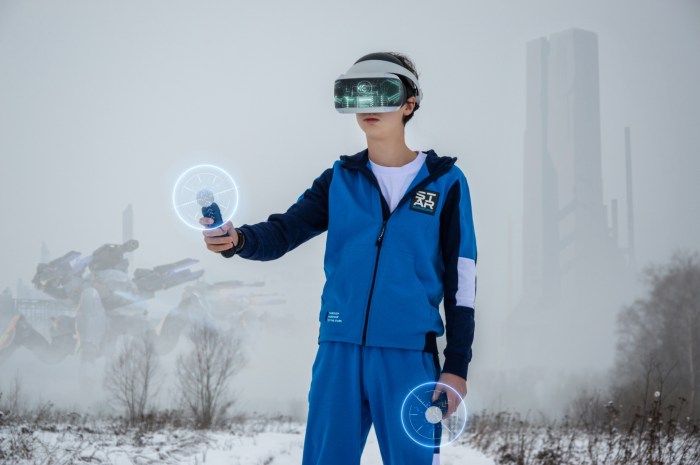
Virtual reality in education is revolutionizing the way students engage with learning material. This innovative technology immerses learners in dynamic environments, transforming traditional educational methods into captivating experiences that stimulate curiosity and enhance understanding. Whether exploring the depths of the ocean or walking through historical sites, virtual reality opens new doors to knowledge that were previously unimaginable.
By leveraging virtual reality, educators can create interactive lessons that not only motivate students but also accommodate diverse learning styles across various subjects. However, the journey toward widespread integration is not without its challenges, as teachers navigate technical obstacles and the need for appropriate training.
The Integration of Virtual Reality in Education
Virtual reality (VR) is rapidly transforming the educational landscape by providing innovative ways for students to engage with learning material. Its ability to create immersive environments not only captures students’ attention but also enhances their motivation to learn. This technology has the potential to revolutionize traditional teaching methods, making learning more interactive and enjoyable.One of the key advantages of virtual reality in education is its capacity to offer immersive learning experiences across diverse subjects.
For instance, in science classes, students can explore the human body or the solar system as if they were there, allowing for a deeper understanding of complex concepts. In history lessons, learners can “walk” through ancient civilizations or witness historical events firsthand. Such experiences make education more relatable and memorable, as students can visualize and interact with the content rather than passively receive information.
Enhancing Student Engagement and Motivation
Student engagement and motivation are significantly enhanced through the use of virtual reality. When students participate in immersive simulations, they are more likely to become emotionally involved with the subject matter. This emotional connection fosters curiosity and a desire to explore further. The following points illustrate how virtual reality can enhance engagement:
- Interactive Learning: VR allows students to actively participate in their learning process, making them feel more invested in their education.
- Real-World Applications: By simulating real-world scenarios, VR helps students understand the practical applications of their studies, bridging the gap between theory and practice.
- Personalized Learning Experiences: Virtual environments can be tailored to meet individual student needs, helping to cater to different learning styles and paces.
Immersive Learning Experiences Across Subjects
Virtual reality can be utilized across various subjects, providing unique learning opportunities that traditional methods may lack. Here are some specific applications:
- Science: Students can conduct virtual experiments in a safe environment, exploring concepts such as chemical reactions or biological processes without the limitations of physical labs.
- History: VR can transport students to significant historical events, allowing them to witness moments in time and understand their contexts firsthand.
- Art and Design: Aspiring artists can create and manipulate 3D art pieces in a virtual studio, enhancing their creativity and technical skills.
- Language Learning: Immersive virtual environments can simulate real-life interactions, helping language learners practice speaking and listening skills with native speakers.
Challenges in Implementing Virtual Reality in the Classroom
While the integration of VR in education offers numerous benefits, it also comes with challenges that educators must navigate. Some of these challenges include:
- Cost: The initial investment in VR hardware and software can be prohibitively expensive for many educational institutions.
- Technical Limitations: Not all classrooms are equipped with the necessary technology or infrastructure to support VR, which can limit access.
- Training for Educators: Teachers require proper training to effectively integrate VR into their curriculum, which may not be readily available.
- Student Distraction: The immersive nature of VR can lead to distractions if not properly guided, as students may become overly focused on the technology rather than the educational content.
“Virtual reality has the potential to change the way we teach and learn, making education an engaging and interactive experience.”
Applications of Virtual Reality in Various Educational Fields
The integration of virtual reality (VR) technology in education presents innovative opportunities across a range of disciplines. By harnessing immersive experiences, VR enhances learning by enabling students to engage with complex concepts in a more tangible manner. This transformative tool not only captivates learners but also fosters deeper understanding and retention of subject material.
Use of Virtual Reality in Social and Empirical Sciences
In the realm of social and empirical sciences, virtual reality provides unique simulations that help students grasp intricate social dynamics and historical contexts. For instance, VR can recreate significant historical events, allowing students to experience and analyze the socio-political landscape of that era. This method promotes empathy and a nuanced understanding of historical events through first-person perspectives. Additionally, VR can simulate social experiments and interactions, which helps students observe human behavior in controlled environments.
By experiencing scenarios such as conflict resolution or group decision-making in a virtual space, students can better comprehend theoretical frameworks and their applications in real-world situations.
Benefits of Virtual Reality Simulations in Natural and Physical Sciences
Natural and physical sciences greatly benefit from the use of VR simulations, particularly in laboratory settings and fieldwork. Virtual reality allows students to conduct experiments that may be too dangerous, expensive, or logistically challenging in real life. For example, students can engage in virtual chemistry labs, where they can mix chemicals and observe reactions without the risk of accidents. Moreover, VR enables immersive fieldwork experiences, such as exploring ecosystems or geological formations, without leaving the classroom.
This access to varied environments enhances observational skills and provides deeper insights into scientific concepts. The ability to visualize complex phenomena, such as molecular structures or astronomical events, can also significantly aid comprehension.
Impact of Virtual Reality on Computer Science Education
Virtual reality is revolutionizing computer science education, particularly in areas like coding and programming environments. Students can engage with VR programming tools that allow them to visualize code execution in real-time, providing immediate feedback and enhancing learning outcomes. This interactive approach helps demystify complex coding processes and fosters a more intuitive understanding of programming logic.Furthermore, VR platforms can simulate real-world scenarios where students can develop and deploy software applications.
For example, using VR, learners can collaborate on projects in a shared virtual space, allowing them to experience teamwork and problem-solving in a simulated tech industry environment. This hands-on approach not only sharpens their technical skills but also prepares them for future careers in a rapidly evolving digital landscape.
“Virtual reality has the potential to transform education by providing immersive experiences that engage and inspire learners.”
The Future of Virtual Reality in Educational Training
As virtual reality (VR) continues to evolve, its potential in educational training becomes increasingly evident. The integration of VR into teacher training programs not only enhances educators’ skills but also enriches the overall learning experience for students. By exploring innovative methods for training teachers, we can unlock new avenues for effective curriculum implementation and improve educational outcomes.
Innovative Training Methods for Educators
To effectively leverage virtual reality in education, teachers need comprehensive training that focuses on both technological proficiency and pedagogical strategies. Innovative methods for this training include:
- Immersive Workshops: Educators can participate in immersive VR workshops that simulate classroom environments, allowing them to experiment with VR tools and applications hands-on.
- Peer Collaboration: Training can be enhanced through collaborative VR platforms where teachers can share experiences, strategies, and best practices in real-time with peers across the globe.
- Gamified Learning Modules: Incorporating gamification into training modules can make learning more engaging. Educators can earn rewards for completing training tasks, encouraging them to explore VR functionalities actively.
- Real-time Feedback: Utilizing VR to provide real-time feedback during simulated teaching scenarios enables educators to refine their techniques and address challenges in a supportive environment.
Comparison of Traditional and VR-Based Training Approaches
The shift from traditional methods of teacher training to VR-based approaches presents significant advantages. Traditional training often relies on static methods such as lectures and textbooks, which may not sufficiently prepare educators for dynamic classroom environments. In contrast, VR-based training offers an interactive and immersive experience that promotes deeper learning. Here’s a comparative overview of both methods:
| Aspect | Traditional Training | VR-Based Training |
|---|---|---|
| Engagement | Limited student interaction | Highly interactive and immersive |
| Practical Skills | Theory-focused | Hands-on experience in simulated environments |
| Accessibility | Geographically constrained | Globally accessible through online platforms |
| Feedback | Typically delayed | Real-time, actionable feedback |
Teaching Anomalies and Alternative Science Concepts
Virtual reality platforms provide unique opportunities to teach complex scientific concepts, particularly those that involve anomalies and alternative theories. By simulating environments where these concepts can be visualized and manipulated, learners can grasp abstract ideas more effectively. For instance:
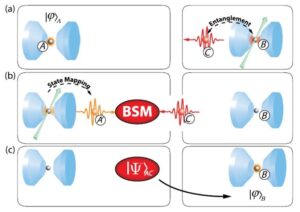
- Visualizing Quantum Mechanics: VR can create immersive experiences that depict quantum phenomena, allowing students to navigate through concepts like superposition and entanglement in a visually stimulating way.
- Experiencing Historical Scientific Theories: Students can explore the development of alternative scientific theories historically, such as those from Galileo or Newton, allowing them to witness the evolution of scientific thought in a dynamic setting.
- Simulating Ecosystems: VR can enable students to interact with ecosystems in crisis, understanding the implications of scientific anomalies like climate change through first-hand experiences of varied environmental scenarios.
Last Recap
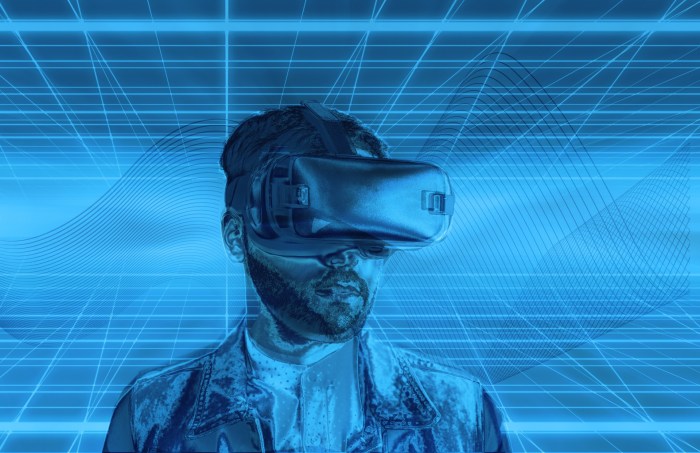
In summary, the potential of virtual reality in education is vast, promising to elevate the learning experience to unprecedented heights. As educators embrace this technology, the future holds the possibility of a more engaging and effective educational landscape, where students are not just passive recipients of information, but active participants in their learning journey. The transition may be complex, but the rewards are undoubtedly worth the effort.
Helpful Answers
What devices are needed for virtual reality in education?
Typically, a VR headset, such as Oculus Rift or HTC Vive, along with compatible software is required for an immersive experience.
How can teachers receive training to use virtual reality?
Many institutions offer specialized training programs or workshops focused on integrating VR into the curriculum.
Can virtual reality be used for remote learning?
Yes, virtual reality can facilitate remote learning by allowing students to participate in interactive experiences from home.
What are the costs associated with implementing virtual reality in classrooms?
Costs can vary widely based on the technology purchased, software licenses, and necessary training for educators.
Are there any safety concerns with using virtual reality in schools?
Some concerns include potential motion sickness, eye strain, and ensuring a safe physical environment while students are engaged in VR activities.