Cultural anthropology insights delve into the rich tapestry of human societies, exploring the fundamental principles that shape our behaviors and social structures. By examining various cultural practices across the globe, we gain a deeper understanding of how culture influences our lives. This field employs qualitative methods to uncover nuanced perspectives on social dynamics, revealing the intricate connections between cultural norms and individual actions.
Through an interdisciplinary lens, cultural anthropology bridges the gap between social and natural sciences, shedding light on how cultural factors impact areas like health, technology, and education. This exploration not only enhances our appreciation for diverse customs but also underscores the importance of cultural awareness in fostering collaboration across various fields.
Cultural Anthropology Overview

Cultural anthropology is a vibrant field that explores the complexities of human societies and cultures. It delves into how cultures shape individual behaviors and societal structures, providing insights into the ways people live, work, and interact within their communities. By examining diverse cultural practices, anthropologists can identify patterns and differences that contribute to the rich tapestry of human life. Cultural anthropology is built on several fundamental principles and concepts that guide its inquiry into human behavior.
One key aspect is the concept of culture itself, which encompasses the shared beliefs, values, norms, customs, and practices of a group of people. This cultural framework significantly influences human behavior, serving as a lens through which individuals understand their world and their place within it. Anthropologists emphasize the importance of cultural relativism, the idea that a person’s beliefs and practices should be understood based on their own culture, rather than judged against the criteria of another culture.
Examples of Cultural Practices
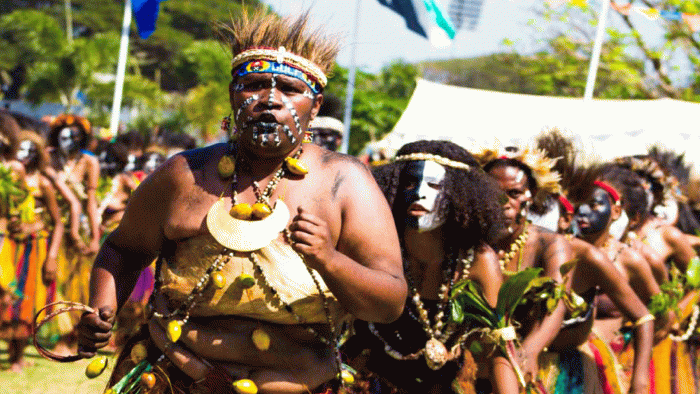
Cultural practices vary widely across different societies, reflecting the unique histories, environments, and social dynamics of each group. Exploring these practices helps to illustrate the diversity of human experience and the ways in which culture informs daily life. Some noteworthy examples include:
- Rituals and Ceremonies: In many Indigenous cultures, rituals such as the Navajo Blessingway ceremony serve as a means of promoting healing and community bonding, highlighting the spiritual beliefs that underpin their ways of life.
- Food Customs: The Japanese tea ceremony, known as “chanoyu,” is a meditative practice that emphasizes aesthetics, discipline, and respect, reflecting the cultural values of harmony and tranquility.
- Language and Communication: The use of click languages by the San people of Southern Africa exemplifies the intricate ways different languages can shape perception and social interactions.
- Gender Roles: In many matrilineal societies, such as the Mosuo in China, inheritance and family lineage are traced through the female line, which challenges conventional Western notions of gender and family structures.
- Art and Expression: The vibrant dance traditions of Bali, Indonesia, serve not only as entertainment but also as vehicles for storytelling and the preservation of cultural heritage.
These examples underscore the significance of culture in shaping human behavior and social structures, illustrating the distinct ways communities express their identities and navigate the world around them.
Cultural Insights and Social Sciences
Cultural anthropology plays a pivotal role within the realm of social sciences, offering unique perspectives on human behavior, social structures, and cultural norms. By employing empirical methods, cultural anthropologists are able to gather rich, contextual data that illuminates the complexities of social dynamics across various cultures. This analysis not only furthers academic understanding but also provides practical insights for addressing contemporary societal issues.Cultural anthropologists utilize qualitative research methods to delve into the intricacies of human experiences.
Techniques such as participant observation, in-depth interviews, and ethnographic studies allow researchers to immerse themselves within communities, fostering a nuanced understanding of cultural practices and beliefs. This qualitative approach contrasts with quantitative methods typically employed in other social sciences, emphasizing depth over breadth in understanding social phenomena.
Qualitative Research Methods in Cultural Anthropology
The significance of qualitative research methods in cultural anthropology lies in their ability to capture complex social realities. These methods are particularly effective in understanding how individuals and groups interpret their lives and social environments. Some key qualitative methods employed by cultural anthropologists include:
- Participant Observation: This method involves the anthropologist actively engaging in the daily life of a community while observing and recording behaviors and interactions. This immersive approach helps researchers gain firsthand insights into cultural practices.
- In-Depth Interviews: Conducting detailed interviews allows anthropologists to explore personal narratives and experiences, providing a platform for participants to articulate their perspectives and beliefs.
- Focus Groups: These discussions bring together diverse individuals from a community to discuss specific topics, facilitating a rich exchange of ideas that reflect social dynamics and cultural norms.
- Ethnographic Fieldwork: This comprehensive approach combines various qualitative methods to provide an extensive understanding of a culture, often resulting in detailed case studies that illustrate social structures and relationships.
Case Studies Illustrating Cultural Insights
Case studies provide concrete examples of how cultural insights can be applied to understand social dynamics. One prominent case study is the research conducted among the !Kung San people of the Kalahari Desert by anthropologist Richard Lee. His work highlighted the importance of hunter-gatherer societies in demonstrating concepts of sharing, cooperation, and social egalitarianism. Lee’s findings challenged prevailing notions of competition and individualism in economic systems, emphasizing the significance of cultural context in shaping human behavior.Another impactful study is Clifford Geertz’s examination of the Balinese cockfight.
By analyzing this ritual, Geertz illuminated the deeper meanings behind social status, masculinity, and community identity. His ethnographic approach revealed how such cultural practices serve as a reflection of societal values and tensions, showcasing the intricate relationship between individual actions and broader social structures.These case studies exemplify how cultural anthropology employs qualitative methods to yield valuable insights into the complexities of social life.
Through direct engagement with communities, anthropologists reveal the underlying cultural narratives that shape social interactions, allowing for a richer understanding of human behavior in diverse settings.
Interdisciplinary Connections
Understanding the connections between cultural anthropology and other disciplines enriches our comprehension of human experiences and societal frameworks. This intersection provides valuable insights, particularly in how culture influences various aspects of life, including health, technology, and education. Recognizing these ties can facilitate a holistic approach that enhances research and practical applications across multiple fields.
Cultural Impacts on Human Health
Cultural anthropology plays a critical role in the natural sciences, especially concerning human health. Cultural practices and beliefs significantly shape health behaviors, access to healthcare, and responses to medical interventions. Understanding these cultural dimensions is essential for effectively addressing public health issues.
- Health Beliefs: Different cultures hold unique beliefs about illness and healing. For example, indigenous communities may prioritize traditional healing practices over conventional medicine, which can impact health outcomes.
- Disease Perception: Cultural interpretations of disease can influence how individuals understand their health conditions and the stigma associated with certain illnesses, such as mental health disorders.
- Nutrition Practices: Cultural dietary habits affect health, with some cultural groups experiencing higher rates of certain diseases due to traditional diets that may lack essential nutrients.
- Healthcare Accessibility: Cultural barriers, including language and trust in medical institutions, can affect healthcare access and utilization, leading to disparities in health outcomes.
Cultural Factors in Computer Science Education and Technology Development
The relationship between cultural factors and computer science education highlights how cultural contexts shape learning environments and technological innovation. The varying perspectives on technology usage and education can influence curriculum development and engagement strategies.
- Diverse Learning Styles: Different cultures may emphasize collective learning over individualistic approaches, affecting how technology is taught and integrated into educational frameworks.
- Inclusion in Tech Development: Cultural diversity within tech teams can foster innovative solutions that resonate with a broader audience, enhancing product relevance and market reach.
- Ethical Considerations: Cultural awareness is vital in addressing ethical dilemmas in technology, such as data privacy and algorithmic bias, where cultural values guide responsible tech development.
- Gender Perspectives: Cultural norms regarding gender can influence participation in computer science education. Initiatives that consider these factors can help bridge gender gaps in technology fields.
Significance of Cultural Awareness in Training and Education Programs
Cultural awareness in training and education programs across various fields enhances effectiveness and fosters inclusive learning environments. This understanding is crucial for addressing anomalies and alternative sciences that may contradict established norms.
- Framework Development: Training programs that incorporate cultural contexts improve the relevance of curricula, addressing specific community needs and beliefs.
- Enhanced Communication: Programs that teach cultural competency equip professionals with the tools to interact effectively with diverse populations, improving service delivery.
- Holistic Approaches: Understanding cultural nuances can lead to more comprehensive approaches in fields such as healthcare, education, and social work, where diverse client backgrounds influence outcomes.
- Innovation in Science: Recognizing cultural contributions to knowledge can lead to advancements in alternative sciences, promoting a broader understanding of phenomena that traditional scientific frameworks may overlook.
Cultural anthropology provides essential insights that help bridge gaps between disciplines, ultimately enhancing our approaches to complex social issues.
Final Review
In summary, cultural anthropology insights provide a compelling framework for understanding the complexities of human behavior and societal interactions. By examining the interplay between culture and various disciplines, we can appreciate the rich diversity of human experience and the critical role that culture plays in shaping our world. Ultimately, this knowledge not only enriches our understanding but also encourages us to engage with others in a more informed and empathetic manner.
Top FAQs
What is cultural anthropology?
Cultural anthropology is the study of cultural variations among humans, focusing on understanding social structures, norms, and practices.
How does culture influence behavior?
Culture shapes behavior by providing frameworks for understanding social norms, values, and expectations within a community.
What methods do cultural anthropologists use?
Cultural anthropologists primarily use qualitative research methods, including participant observation, interviews, and ethnography, to gather insights.
Why is cultural awareness important?
Cultural awareness fosters understanding and respect between diverse groups, enhancing communication and collaboration in various fields.
How does cultural anthropology intersect with other sciences?
Cultural anthropology intersects with social and natural sciences by examining how cultural factors influence health, technology, and education.